Donya: A Sweet Handwritten Font for Branding Projects
Opening a blank brand board can feel like staring into the void—until you find that one font that clicks. For my latest project, a boutique skincare brand called Lush Bloom, I needed something that felt personal, approachable, and just a little bit whimsical. That’s when I stumbled upon Donya, a handwritten font from Script Amp with a unique twist. It wasn’t just another script font; it had a warmth and authenticity that made me want to use it immediately.
A Font That Feels Like a Personal Note
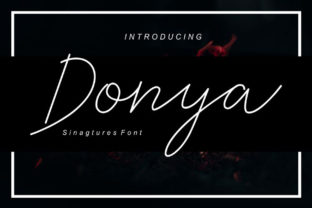
Donya is an original and sweet handwritten font that brings a sense of intimacy to any design. Its visual characteristics are soft, with gentle curves and subtle variations in stroke weight that mimic the natural flow of handwriting. The personality of Donya is warm and inviting, making it perfect for brands that aim to connect on a personal level with their audience.
The mood of the font is playful yet refined, which makes it ideal for creative industries or small businesses that want to stand out without feeling too formal. Its style is reminiscent of a handwritten note passed between friends, but with enough polish to be used in professional contexts.
Testing Donya in Real Branding Scenarios
I tested Donya across several branding scenarios. In logo design, it worked beautifully as a display font. The logo for Lush Bloom featured Donya in a custom monogram, giving it a personal touch that resonated with the brand’s mission of natural, handmade skincare products.
On packaging mockups, Donya added a layer of charm to product labels and tags. It looked especially good on small formats, like the back of a serum bottle or the front of a gift box. The font didn’t feel cluttered or overwhelming, even when paired with minimalist design elements.
For social media graphics, I used Donya in Instagram posts and Facebook banners. It helped create a cohesive visual identity that felt consistent across platforms. When placed over a watercolor background or a photo of fresh flowers, the font stood out without competing with the imagery.
In web design, I applied Donya to the hero section of the homepage. It was used sparingly—just for the headline—to maintain readability while adding character. On business cards, it worked well for names and taglines, though I avoided using it for longer text due to its decorative nature.
When and Where to Use Donya
Donya shines best as a display font, headline font, or accent font. It’s not meant for long paragraphs or body text, where readability is key. Instead, it works wonders for short phrases, logos, brand mottos, and signature lines. Its unique appeal makes it a great choice for creative studios, handmade shops, and local restaurants looking to inject personality into their branding.
If you're working on a project that needs a touch of authenticity, Donya can be the perfect fit. However, if your brand requires a more formal or corporate tone, this font may not be the best choice. It’s also worth noting that Donya might not perform well at very small sizes or in low-resolution environments, so always test it before finalizing any client work.
Font Pairing and Practical Tips
To balance Donya’s handcrafted look, I paired it with a clean sans serif font like Montserrat for body text. This combination provided contrast while maintaining harmony. For a more elegant look, pairing Donya with a serif font such as Playfair Display created a sophisticated and layered effect.
Before using Donya in any final client work, make sure to review the included styles, alternates, ligatures, swashes, and weights. These features can enhance the font’s versatility, especially in editorial design or commercial assets. Also, check for multilingual support and file formats, particularly if your project involves international audiences or webfont integration.
Lastly, always ensure you have the proper commercial font licensing before using Donya in brand identity, packaging, templates, merchandise, websites, digital products, or print-on-demand items. This step is crucial for protecting both your work and the rights of the font creator.