Merylia: A Handwritten Font That Breathes Life into Web Design
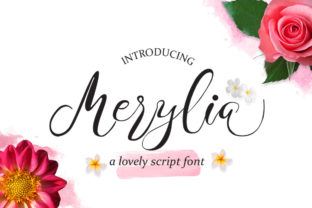
There’s something about a handwritten font that feels like a warm greeting from a friend. When I first tested Merylia on a boutique website layout, I immediately noticed how it added a personal touch to the design. As a web designer, I always look for fonts that not only stand out but also serve the purpose of the content they support. Merylia, with its organic feel and elegant curves, is one such font that has found its place in digital branding.
A Natural Fit for Hero Sections and Branding
I started by placing Merylia in the hero section of a creative portfolio site. The font's soft, flowing lines complemented the minimalist background, creating a sense of approachability and professionalism. It worked beautifully as a headline, drawing attention without overwhelming the viewer. Unlike some script fonts that can feel too ornate or hard to read, Merylia strikes a perfect balance between decorative and legible.
For websites targeting a lifestyle or handmade audience, Merylia brings a personal flair that aligns well with the brand’s identity. Whether used in a call-to-action button or as part of a tagline, the font adds emotional appeal and makes the user feel connected to the brand.
Responsive Layouts and Mobile Readability
One of the first things I checked was how Merylia performed on mobile devices. In responsive layouts, the font maintained its charm without losing clarity. On smaller screens, I made sure to adjust the font size so that it remained readable—especially when placed over image banners or dark backgrounds. The contrast between the font and the background was crucial in ensuring that the text stood out and didn’t get lost.
I also experimented with using Merylia in conjunction with a clean sans serif font for body copy. This pairing helped maintain visual hierarchy while keeping the overall design cohesive. The decorative nature of Merylia worked best when used sparingly, making it ideal for headlines, logos, and short phrases rather than long paragraphs.
Practical Uses Across Web Projects
As I continued testing, I found that Merylia could be used across various types of web projects. For instance, on a product landing page for a handmade candle shop, the font felt right at home on packaging mockups and promotional banners. It brought an artisanal vibe that matched the brand’s aesthetic.
On a coaching website, I used Merylia in the header and as part of the service titles. It gave the site a warm, inviting feel that resonated well with the target audience. The font also looked great in a blog header or as part of a digital brand kit, where it added a touch of personality to the overall design system.
However, it’s important to note that Merylia isn’t suitable for every web use. It may not be the best choice for small navigation text, form labels, or dense dashboard interfaces where readability is key. Its decorative style works best for display purposes, such as headlines, logos, and short phrases.
Font Pairing and Commercial Use
When considering font pairing, I found that Merylia pairs well with a simple sans serif font like Helvetica or Arial for body copy. This combination ensures that the design remains balanced and easy to read. For more editorial or luxurious designs, pairing it with a serif font like Georgia or Times New Roman can create a more refined look.
Before using Merylia on any client project, it’s essential to check the font’s included styles, alternates, ligatures, and weights. Also, confirming that it supports multilingual characters and has proper commercial licensing is critical if you plan to use it on online stores, landing pages, or digital templates.
With its unique character and versatility, Merylia is a valuable addition to any web designer’s toolkit. Whether you're working on a boutique website, a course sales page, or a digital brand kit, this handwritten font brings a natural elegance that enhances the user experience and strengthens brand identity.